This article is available exclusively in Persian.
The Iranian Art Market in Times of Crisis: Between Recession and Restructuring
24 February 2026
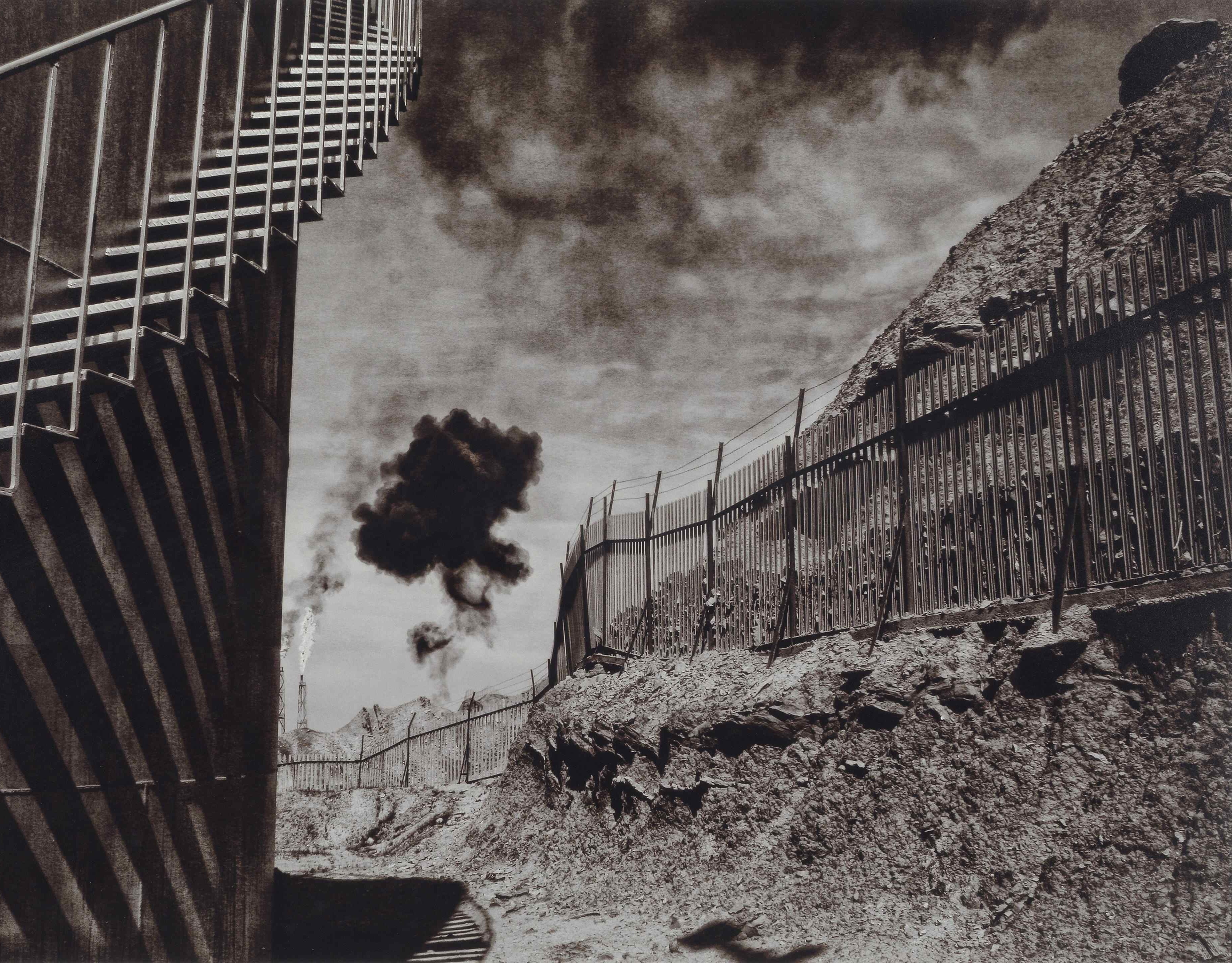
This article provides a brief overview of the Iranian art market’s performance since 2020, a sensitive period marked by successive social, political, and economic crises that have shaped the domestic art scene. The focus is on the statistics and results of Tehran Auction, the only publicly available official source, showing that the market’s lowest performance coincided with the country’s economic crisis in 2025-2026. In addition to domestic data, selected international examples are included to offer a comparative perspective on how art markets react under similar conditions.
Author(s)

Sevana Boghossian
Related Artworks
Related Articles
Art as Asset Class
Art can be considered a kind of property and capital due to some capacities. Buying art brings financial returns and, like other traditional assets, increases in value over time. Art can be bought and sold because a separate market has been created for it. In the meantime, buying works from prominent artists has shown a positive return and has attracted investors to create diversity...
6 November 2023
On Art Activism
This text is a Persian translation of the article “On Art Activism” by Boris Groys, published in issue 56 of the journal e-flux in 2014. Groys examines art activism through the concept of aesthetization, critically rethinking the relationship between art, politics, and design. Situating his analysis within philosophical and historical debates that extend beyond modernity and narrati...
27 January 2026
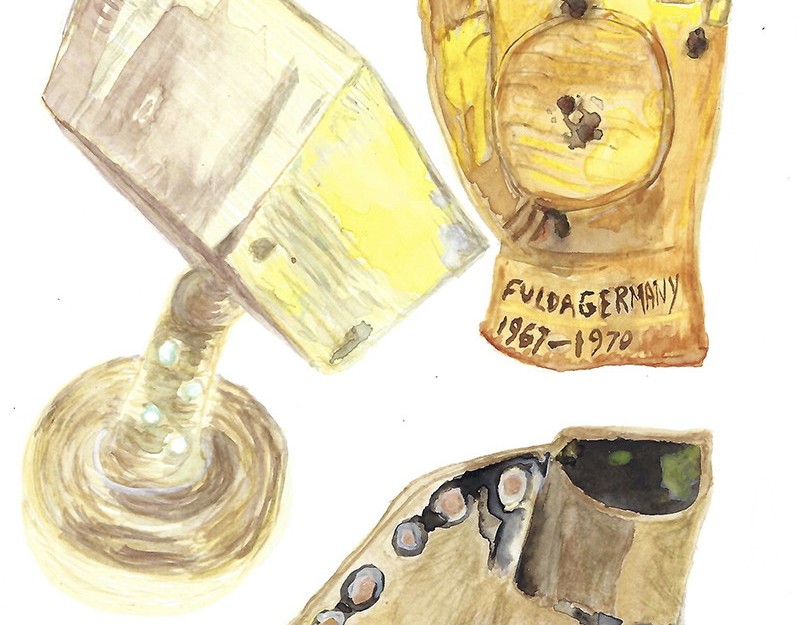
Trench Art: Black Humor, War Debris, Mud, and Peach Pit
Trench art refers to objects and handmade artifacts created during wartime, often using leftover materials such as bullets, shell casings, mud, wood, or even fruit pits. These works blur the boundaries between survival, memory, and artistic expression. Mary Walling Blackburn’s Wound, Whittle, and Peach examines these marginal forms through historical and theoretical perspectives, hi...
9 February 2026