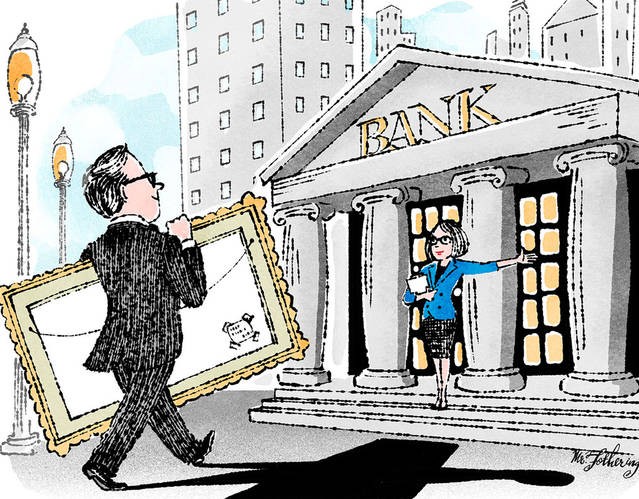
Art-Backed Loans: A New Path for Liquidity 15 September 2025
Art-backed loans provide collectors with a distinctive opportunity to obtain liquidity without divesting their valuable assets. Although this approach entails challenges, including complex valuation procedures and relatively high interest rates, its potential benefits render it an appealing option for investors and collectors seeking to optimize the utility of their luxury holdings.
Auction Terms You Need to Know Before Entering an Auction 3 August 2025
An auction house is a place where collectors and art dealers gather to compete for the most valuable works in the world. Every move these players make can shape the dynamics of the art market, while successful sales allow auction houses to demonstrate the vitality and vibrancy of the market. Observing these events—particularly evening auctions—evokes a unique sense of excitement, al...
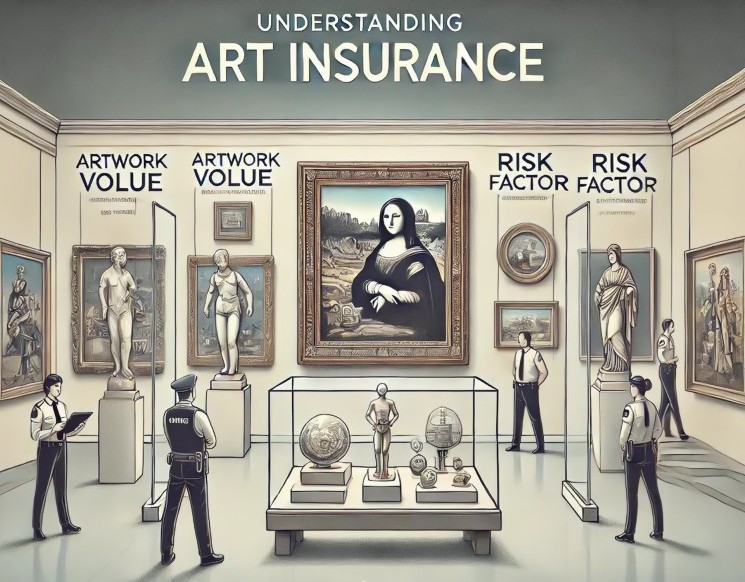
Art Insurance: Understanding the Fundamental Principles 1 July 2025
Following the 2009 financial crisis and the subsequent phase of global economic recovery, the art market also experienced a renewed momentum and significant growth. This widespread transformation has intensified the demand for specialized and protective services within the art sector, including art insurance.Art insurance is a specialized financial coverage designed to support colle...
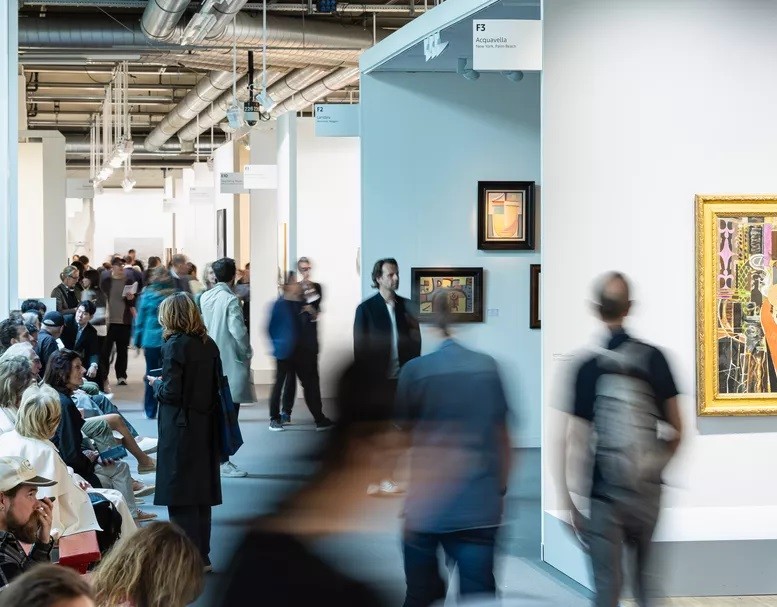
What Collectors Need to Know About VIP Days at Art Fairs 12 January 2025
VIP Days at Art Fairs Have Their Own Rituals and Traditions: VIP guests are invited not only to view artworks but also to attend more exclusive parties and savor a variety of unique culinary experiences. These occasions offer them the chance to examine artworks in a more private setting, socialize with other attendees, and perhaps gain early access to insider information. Additional...
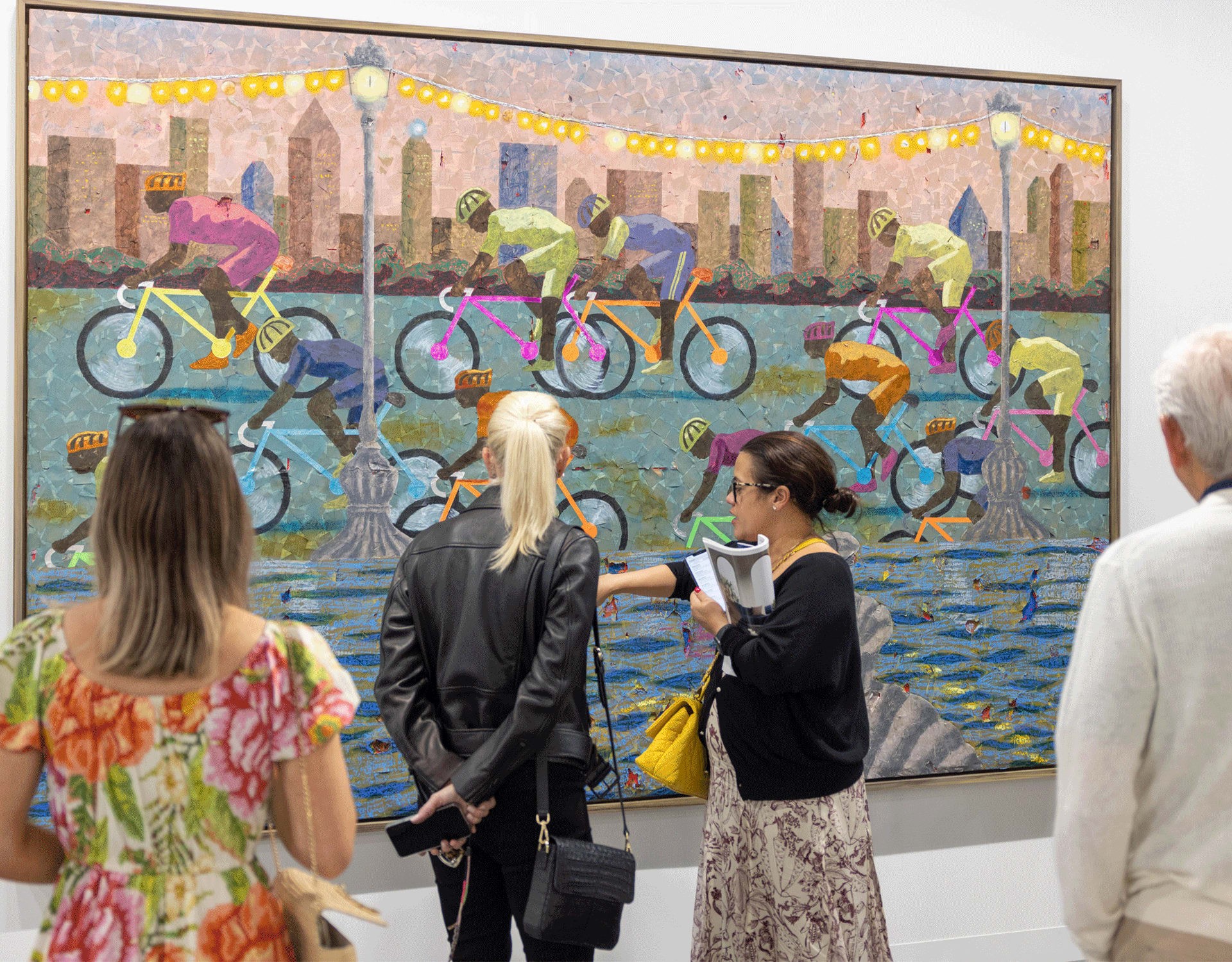
A Look at the Psychology of Collecting Artworks: Is It Motivated by Financial Profit or Emotional Connection? 8 December 2024
Art collecting, when examined through the lens of psychology, can be likened to walking a fine line. On one hand, it is viewed as a positive activity dedicated to the preservation and safeguarding of historical, cultural, and artistic artifacts. On the other hand, it is sometimes perceived as a purely economic endeavor aimed at profit-making, or even, in some cases, as an addictive...
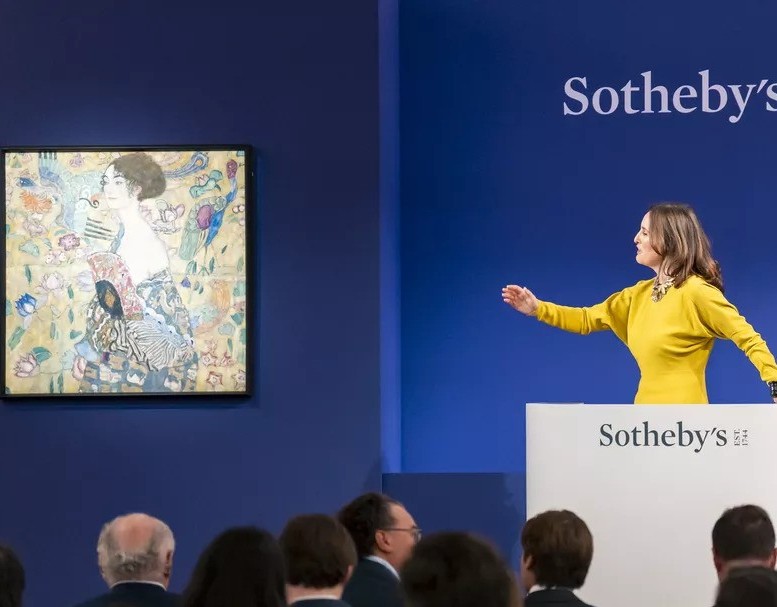
Pricing Artworks: Science or Emotion? 30 November 2024
The price of an artwork is influenced by a complex interplay of factors that include supply and demand, the artist's career stage, medium, provenance, market trends, and emotional value. The primary art market, where artworks are sold for the first time, relies heavily on galleries to set prices based on reputation, education, and quality. Meanwhile, the secondary market, involving...
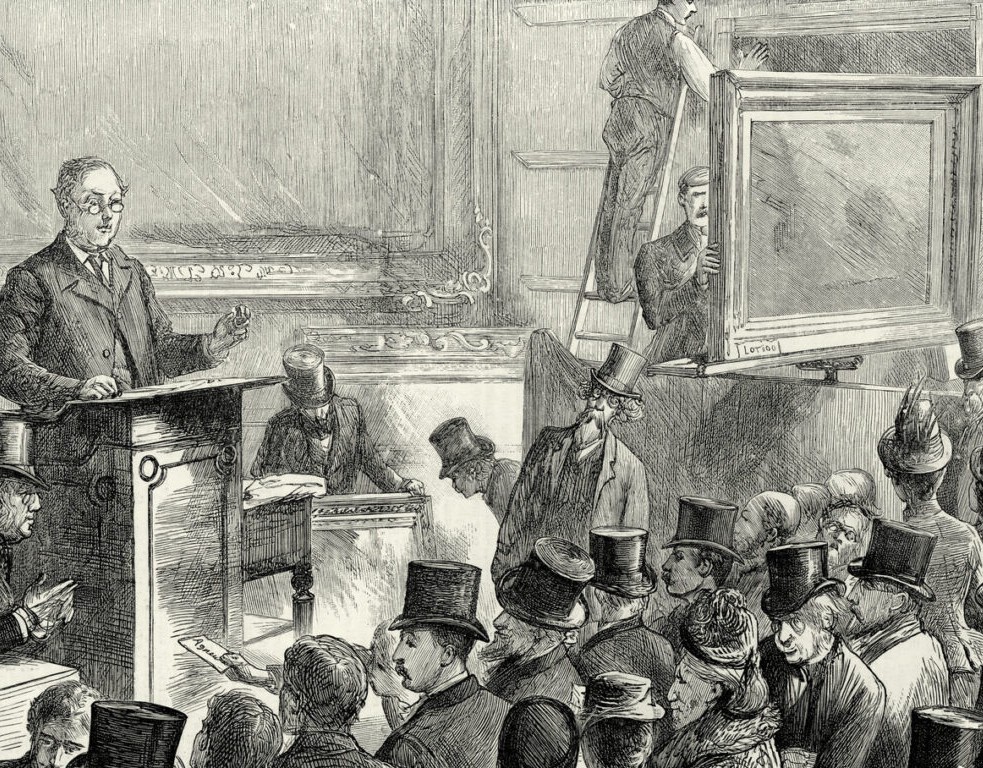
Auctioning Art: The Contemporary Role of Auctions in the Art World 14 April 2024
The rise of artwork as a tradable commodity in the modern era has fueled the expansion of the art economy, leading to a proliferation of auctions. However, what impacts has this growth brought to the art world? Somayeh Ramezanmahi addresses this inquiry by elucidating the notion of 'artwork value'.
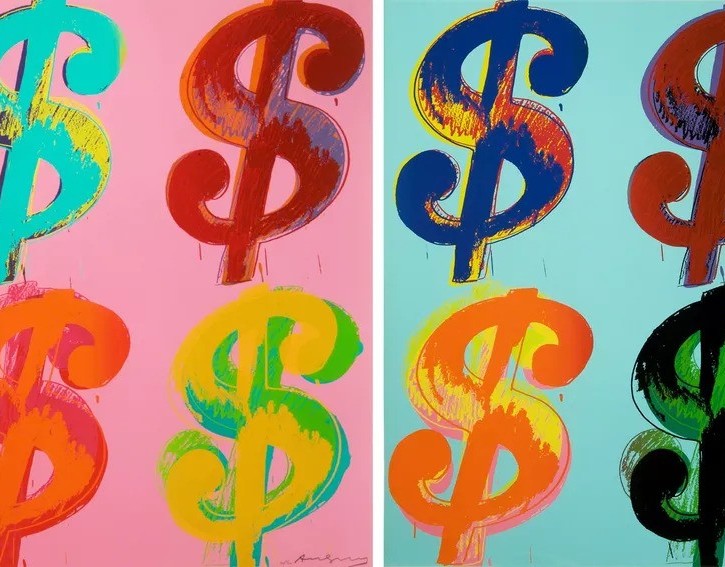
A Primer on Art Investment Strategies and Associated Risks 14 February 2024
This article initiates a discourse on the preliminary considerations regarding the capabilities and hazards associated with art investment. Prior to delving into the merits and drawbacks of art investment, it is imperative to underscore the conceptualization of art as an asset. Within this framework, art is construed as a financially lucrative entity. Nevertheless, it is imperative...
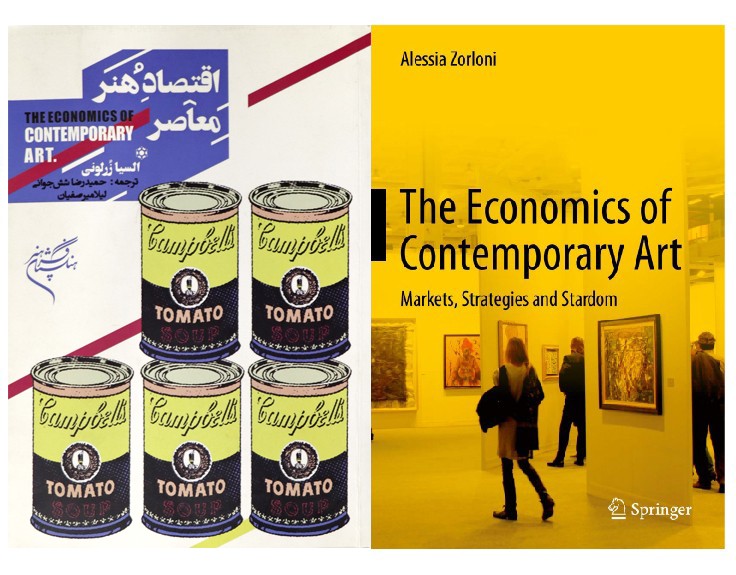
Auctions and Secondary Market; A Review on "The Economics of Contemporary Art" 21 January 2024
The "Economics of Contemporary Art" by Elisa Zerloni deals with the markets, strategies and star making system in art. A part of this book is dedicated to auctions and the secondary market, which you can read a summary of below.The following text, is from the Persian text translated by Hamidreza Sheshjavani and Leila Mirsafian and published by Farhangistan Honar Publishing.